
When something goes wrong with your septic system, it rarely gives much warning.
Alarms go off. Backups happen. Water shows up where it shouldn’t. At that point, you don’t need guesswork or a general contractor. You need someone who understands how rural septic systems actually work and how to fix them properly.
We focus exclusively on septic system repair for rural properties. That means identifying the root cause, fixing what’s actually failed, and only recommending replacement when it’s truly necessary.
Most homeowners don’t think about their septic system until something becomes obvious. In our experience, about 98% of service calls start with either an alarm going off or a backup in the home. The remaining cases are usually persistent smells.
If you’re noticing any of the following, it’s worth having the system assessed:
These issues are more common than you might think. In most cases, they come down to a failed component or a system that isn’t functioning as intended.
The key is identifying the cause early before it turns into a larger issue.
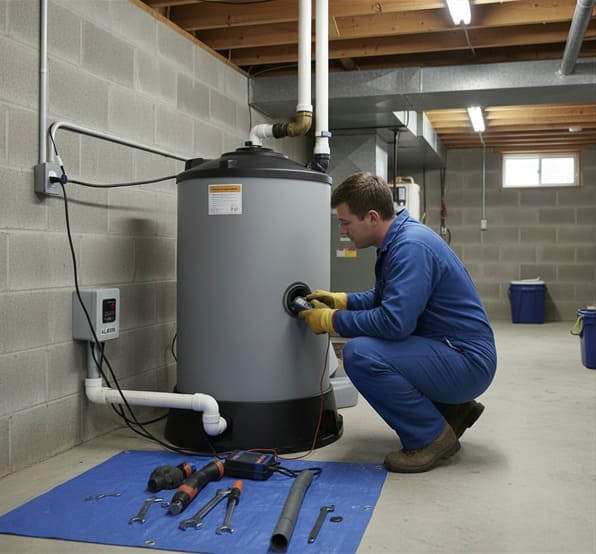
Septic repair doesn’t always mean major work. In many cases, the issue is isolated to one part of the system. When that’s the case, the focus is on repairing that specific component rather than disrupting the entire system.
Common repair scenarios include:
The most common issue we see. Pumps can fail due to age, debris, or mechanical issues like float malfunctions.
Lines can settle, freeze, or develop low spots that affect flow, especially in colder months.
In some cases, a tank may deteriorate or crack while the rest of the system remains functional.
Electrical or monitoring components can fail and require repair or replacement.
In certain situations, only part of the field needs attention, not the entire system.
The goal is always the same: fix the failed component properly, not guess or replace more than necessary.
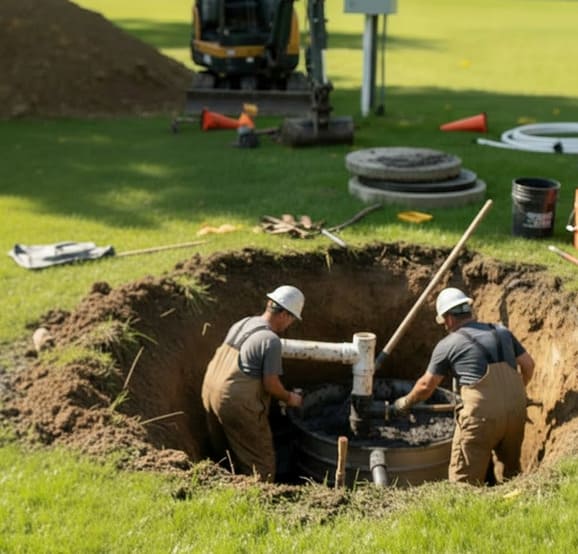
One of the biggest concerns homeowners have is being told they need a full system replacement when a repair might be enough. In reality, many septic issues are repairable.
A repair is usually the right approach when:
For example:
The goal is to provide clear recommendations based on what the system is actually doing, not on assumptions.
When repairs are needed, you should know why. When they are not needed, you should know that too.
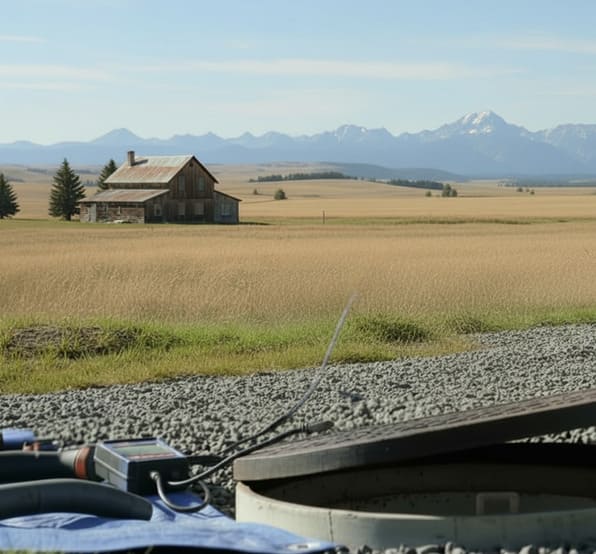
Cost is one of the first questions most people have, and it’s a fair one.
The reality is that septic repair costs can vary depending on what’s actually going on underground.
The main factors include:
Minor repairs, like replacing a pump or correcting a line issue, are typically far less involved than full system replacement.
The only way to give an accurate cost is through a proper on-site assessment. Once we understand the system and the issue, we’ll explain exactly what needs to be done and what to expect.
No vague answers, and no surprises.

Knowing what happens next makes the situation a lot easier to deal with. Our process is straightforward and focused on clarity from start to finish:
No confusion, no guesswork, and no unnecessary steps.
Rural septic systems are very different from anything tied to municipal infrastructure.
They rely on soil conditions, drainage, and proper system design to function correctly. Things like frost depth, moisture levels, and field placement all play a role.
This is why general plumbing experience doesn’t translate well to septic work.
Rural systems require a different level of attention and a different approach to diagnosing problems. That’s the focus of everything we do.
Posted onTrustindex verifies that the original source of the review is Google. We had water delivered by Andrii. Very courteous, I followed him to our property, before he backed up into the driveway, he saw me behind him and let me into the yard first. Andrii was pleasant to chat with and very professional. We enjoy chatting with the drivers, they are always very pleasant, even in the extreme cold.Posted onTrustindex verifies that the original source of the review is Google. Friendly, great service love that they think ahead change out the filter, wash out, without me having to remember highly recommendPosted onTrustindex verifies that the original source of the review is Google. Mitch came out quickly and pumped our system out no problem. He was a pleasure to deal with and he also stuck around to give us some great tips for cleaning and maintaining the system long term. I would highly recommend these guys. Thanks Mitch!Posted onTrustindex verifies that the original source of the review is Google. Mitchel is friendly and professional! We’re so happy we switched to the septic company, our last operator was grumpy and always seemed inconvenienced by our job, and it’s a nice change to have a company that has a smile on his face and works quickly and efficiently!Posted onTrustindex verifies that the original source of the review is Google. I gave them a call as I was having issues with my pump. He came out the next day and had a look at it. He was professional, honest and was able to explain everything to me. I’d recommend The Septic Company.Posted onTrustindex verifies that the original source of the review is Google. Josh and Mitch provided us with exceptional quick service. They both called us to inform that there possibly was some electrical issues with our pump. We will definitely be using their services again.Posted onTrustindex verifies that the original source of the review is Google. We had a septic emergency, and Mitch came out right away—he was fantastic! Extremely knowledgeable, friendly, and reassuring throughout the whole process. I highly recommend The Septic Company to anyone with septic concerns or questions—they truly know their stuff and provide excellent service.Posted onTrustindex verifies that the original source of the review is Google. Prompt and excellent service! No one likes to wait around for a call-back when it comes to septic maintenance. Mitchel responded right away! He is professional, friendly and provides thorough, quality service. I highly recommend The Septic Company for your all your septic system needs.Posted onTrustindex verifies that the original source of the review is Google. Great service with good value! We will be using them again.Posted onTrustindex verifies that the original source of the review is Google. Great service fast and answered on the holiday weekend!
We work exclusively with rural and acreage properties across Southern Alberta, including:
If you’re unsure whether you’re within our service area, reach out and we’ll let you know.
Costs vary depending on the issue. Minor repairs like pump replacement are typically much lower than major work. A proper assessment is needed to give an accurate estimate.
Septic pump repairs should be handled by a septic specialist, not a general plumber. The cause of the failure needs to be identified to prevent repeat issues.
Yes. In many cases, a damaged or settled line can be repaired or replaced without affecting the rest of the system.
The most common causes are pump failure, clogged components, or issues tied to how the system was originally installed. In some cases, aging infrastructure also plays a role.
Septic issues don’t fix themselves, but they also don’t always require a full system replacement.
The right approach starts with a proper assessment, a clear explanation, and a repair plan that actually fits the situation. If something doesn’t feel right with your system, it’s worth having it looked at before it gets worse.
Need Septic
Service for Your
Acreage?
Request service today and our
local experts will get back to you
quickly to schedule a visit.
Need immediate help?