

SEPTIC SYSTEM RESOURCE HUB

Straightforward Septic Guidance for Rural Properties

If you own an acreage, your septic system isn’t something you can ignore. When it works, you don’t think about it. When it doesn’t, it becomes a problem fast.

Here you’ll find practical information based on what we see every day in the field. Real patterns, real issues, and clear explanations that help you make sense of what’s going on with your system.

Why septic knowledge matters more than most homeowners think

Most septic problems don’t come out of nowhere. They build over time. Small signs get missed, maintenance gets delayed, and what could have been a simple fix turns into something more expensive.

The challenge is that most homeowners were never shown how their system actually works. That’s where this resource hub comes in.

The more you understand your system, the easier it is to:

You don’t need to become an expert. You just need to know what to watch for and when to act.

Start with what you’re experiencing

Most people land here because something doesn’t feel right. The goal is to help you quickly connect what you’re seeing with what might be happening.

You might be dealing with:

1
A septic alarm going off without warning
2
Slow drains or backups inside the house
3
Unusual smells near the tank or field
4
Uncertainty about when the system was last serviced
5
Issues showing up after winter conditions

These are common situations we deal with regularly. Each one can have multiple causes depending on the system, the property, and how it’s been maintained. The resources below will help you narrow things down and understand what your next step should be.

GET STARTED

Start with the fundamentals

If you’re not sure where to begin, these are the core topics every acreage homeowner should have a handle on.

These are the questions we answer most often in the field. Getting clarity on these basics puts you in a much better position to manage your system properly.

What actually keeps a septic system running properly

Most systems don’t fail because of one major event. They fail because small things are ignored over time.

Simple habits go a long way:

This isn’t about over-maintaining your system. It’s about staying consistent enough to avoid preventable issues. A well-maintained system lasts longer, performs better, and saves you from dealing with unexpected problems.

Helpful Septic Guidance for Rural Property Owners

Real trust is built in the field. It shows up in how people talk about the service after the truck leaves, after the problem is explained clearly, and after they feel like someone finally took responsibility for the full picture.

Septic Repair or Replacement? How to Assess an Aging System

An older septic system starts having problems, and suddenly you are weighing a component repair against a much larger replacement project. Before comparing prices, you need to know what has failed and whether the proposed
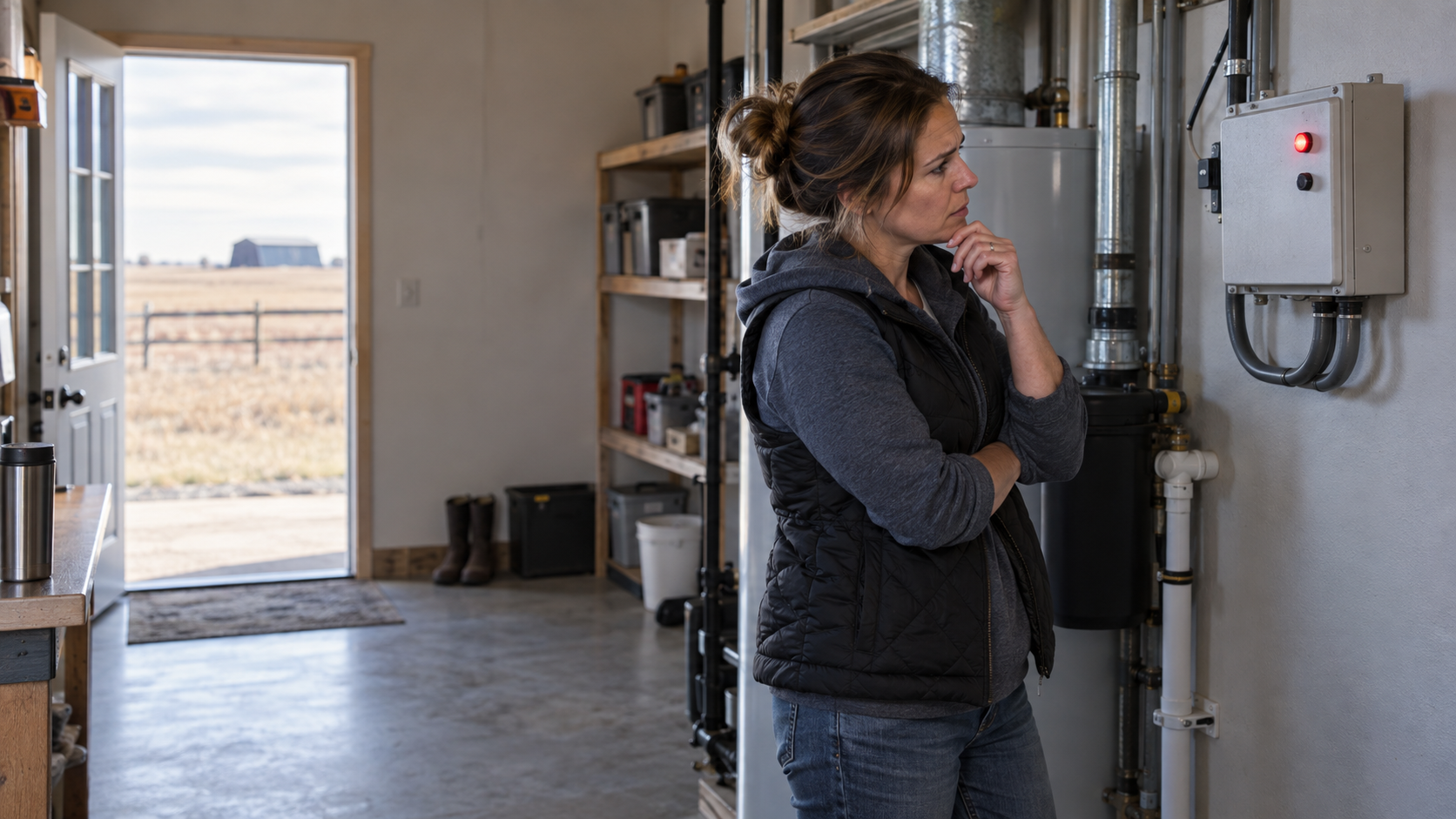
Why Your Septic Alarm Is Going Off and What It Really Means

A septic alarm is hard to ignore, especially when it starts sounding on an acreage and everything inside the house still seems normal. If you have found yourself searching why is my septic alarm going
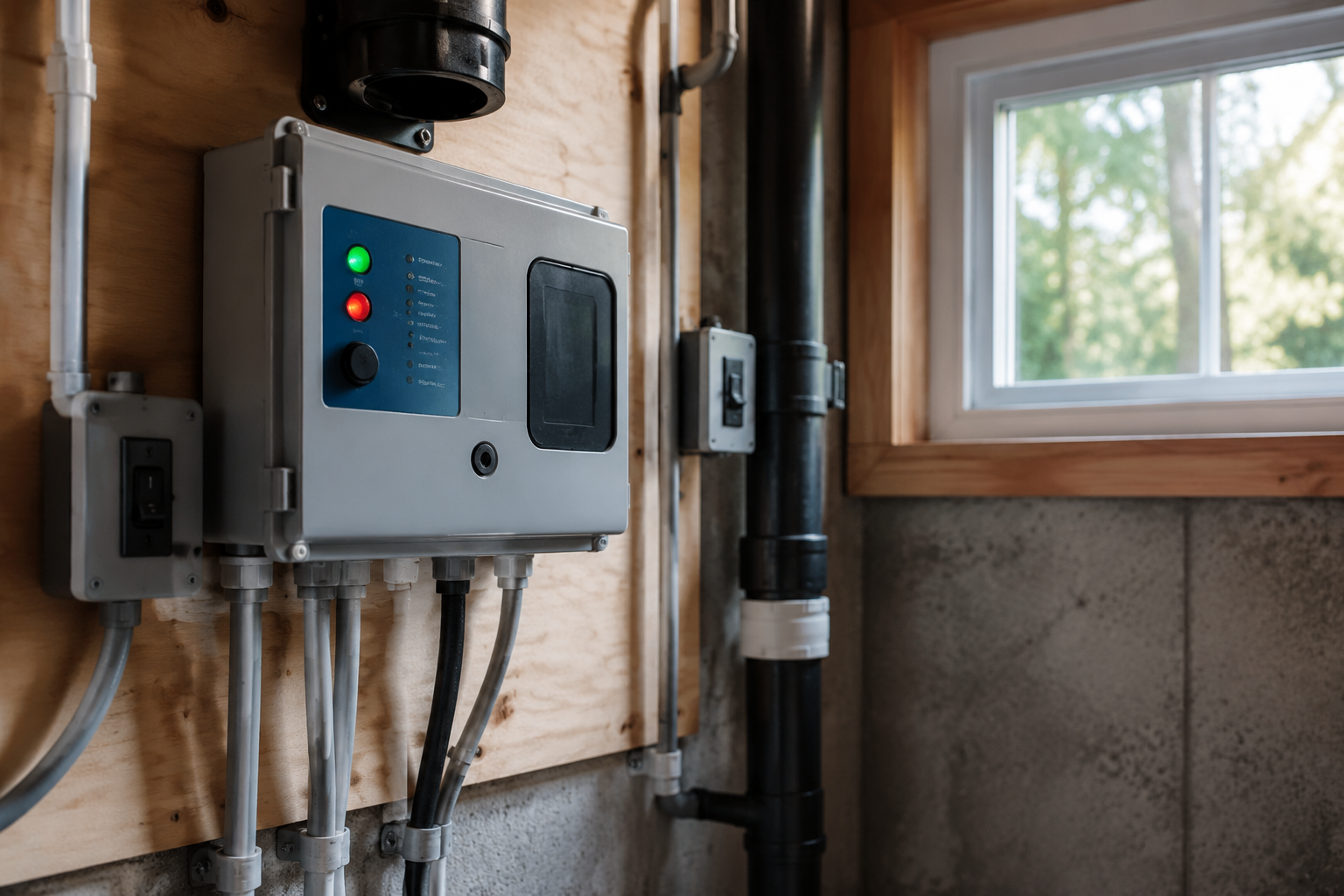
Why Your Septic Alarm Comes Back After Pumping: What Homeowners Need to Know

A septic alarm going off is stressful enough. It becomes even more frustrating when you have already taken action, had your septic tank pumped, and expected the problem to be resolved, only to hear the
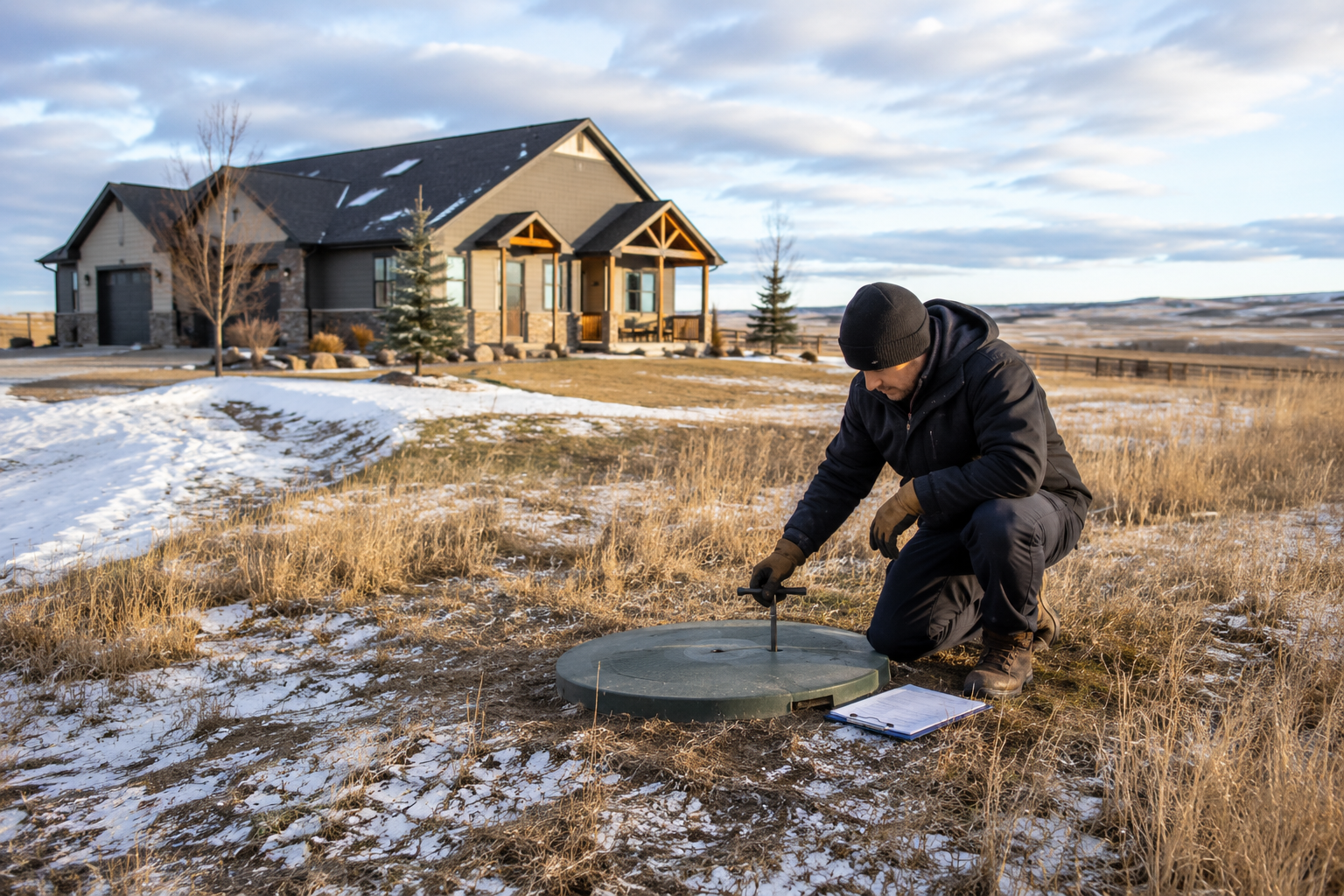
What Southern Alberta Acreage Owners Should Check Before Their Septic System Freezes

What Southern Alberta Acreage Owners Should Check Before Their Septic System Freezes

Fall on a Southern Alberta acreage comes with a familiar list of jobs. Outdoor water lines get dealt with, equipment gets stored, heating systems get checked, and the property starts shifting toward winter. Your septic

The Cost of Skipping Pump-Outs: A Foothills Story

A real-world look at a local acreage owner who deferred maintenance for 8 years, and the resulting field replacement that could have been avoided.

Septic-Safe Cleaning Products: What to Avoid

Harsh chemicals can kill the beneficial bacteria your tank relies on. Discover which household cleaners are safe and which ones are slowly

Straight answers to common septic questions

It depends on system size, usage, and household habits, but most systems need regular pumping to avoid buildup and performance issues.

An alarm usually signals a problem with water levels or system components. It doesn’t always mean failure, but it should be checked quickly.

With proper maintenance, systems can last decades. Poor maintenance shortens that lifespan significantly.

Slow drains, odours, alarms, or changes in how your system behaves are all signs that something needs attention.

Built from real work, not theory

Everything on here is based on what we see out on rural properties.

Septic systems vary from one property to another. Soil conditions, system design, age, and usage all play a role.
That’s why no single answer applies to every situation.

The guidance here covers common issues and common solutions. It’s meant to help you make sense of what’s happening and give you a starting point.

If your situation doesn’t match what you’re seeing here, or you’ve tried a solution and the issue continues, it usually means the system needs to be looked at directly.

When it makes sense to bring someone in

If something doesn’t feel right, it’s better to get clarity than wait and hope it resolves on its own.

We can take a look, explain what’s happening, and give you a clear path forward based on your system and your property.

Need Septic
Service for Your
Acreage?

Request service today and our
local experts will get back to you
quickly to schedule a visit.

Need immediate help?