
We install and replace septic systems for rural and acreage properties across Southern Alberta.
Every system is designed around the property, the home, the soil, and the long-term demands placed on it. That includes the right sizing, the right layout, proper approvals, and a clear process from start to finish.
This is not plumbing work. It is licensed septic system installation built for long-term performance.
A new septic system is a major investment, but for most rural homeowners, it is also a stability decision.
When a system has been patched too many times, keeps failing, or was never installed properly to begin with, the issue stops being about one repair. It becomes about reliability, property protection, and confidence in what sits below your yard.
A properly designed septic system should support the home the way it was meant to be used. It should handle the expected load, perform through seasonal changes, and reduce the kind of recurring issues that create stress and expense year after year.
That is why we treat septic system replacement as more than a construction project. It is a long-term infrastructure decision tied to the value, function, and day-to-day dependability of your property.
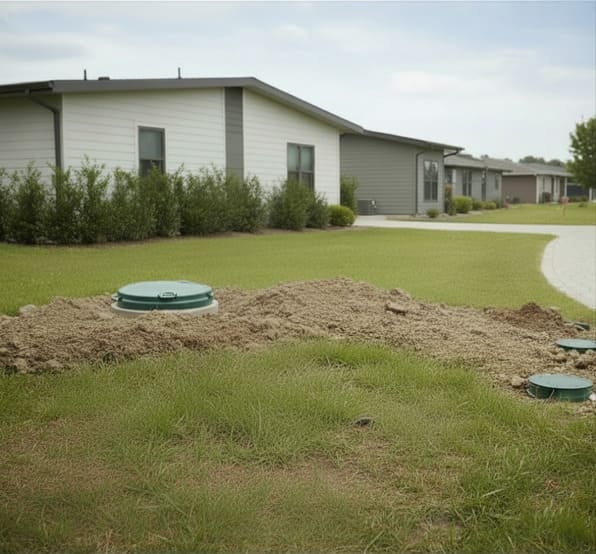
Not every issue means you need a full replacement. But some patterns are a strong sign the system needs a closer look.
A replacement may be the smarter path when you are dealing with:
We also see problems tied to older install practices. Years ago, many systems were sized using more basic rules and without the level of soil analysis used today. In some cases, installers also made avoidable mistakes that only become obvious years later.
If the same issues keep coming back, or the system is showing signs of full-field failure, an assessment is worth doing before more money goes into short-term fixes.
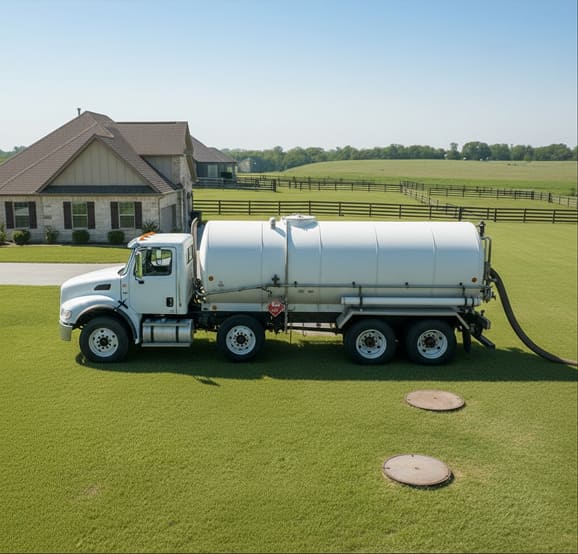
This is one of the biggest questions rural homeowners have, and it deserves a straight answer.
In many cases, repair is still the right solution. If one part of the system has failed and the rest is still functioning properly, a targeted repair can solve the problem without replacing the full system. We see this with pump failures, isolated pipe issues, and tank-only problems where the field is still in working order. Replacement becomes the better option when the failure is systemic.
That usually means the drain field is no longer functioning, the system was poorly installed from the start, or repeated repairs are no longer giving you dependable performance. In our experience, full system failures are often tied to original installation issues, including poor placement, improper field sizing, or outdated construction standards.
A repair may cost less in the short term. A replacement may cost less over time if you are stuck in a cycle of recurring failures, property disruption, and uncertainty.
Our role is to assess the system honestly, explain what is still working, identify what is not, and recommend the option that makes the most sense for the property long-term.

There is no one-size-fits-all number for septic system replacement, because no two rural properties are exactly alike.
The final scope depends on a mix of property conditions, system requirements, and approval factors. The main variables usually include:
By law, the system must be sized to accommodate the home itself. But how the system is set up to dose and perform also depends on how the home is actually being used. That is why property-specific evaluation matters.
The clearest way to understand cost is to start with a proper site review and design discussion. Once the variables are clear, the recommendations become much more useful.

A septic system installation should feel structured, not chaotic. Our process is built to make the work clear and accountable from the first site visit through final documentation.
No confusion, no guesswork, and no unnecessary steps.
Acreage properties come with different realities than urban infrastructure, and septic system installation has to reflect that.
Soil conditions vary from one property to the next. Frost depth matters. Drain field placement matters. Water movement across the land matters. What works in one part of a county may not make sense on another site a short distance away.
This is one reason rural-only experience matters. Septic system installation on acreage land is not about fitting a standard package onto a property. It is about building a system that makes sense for the conditions it will live in.
Septic system lifespan depends on the quality of the installation, the conditions on the property, and how the system is maintained over time.
A well-built system can perform for many years, but no system lasts forever. Tanks, pumps, floats, and fields all age differently, and long-term wear is affected by usage, maintenance, soil conditions, and the way the original system was designed.
What matters most is not chasing a fixed number. It is knowing that the system was installed properly, sized correctly, and looked after as it ages.
Regular inspections and maintenance play a major role here. They help catch deterioration early, protect the working parts of the system, and reduce the risk of avoidable damage. They also help homeowners make better decisions before small issues turn into expensive ones.
For rural properties, long-term performance is not just about convenience. It is tied directly to property protection, sanitation, and responsible land stewardship.
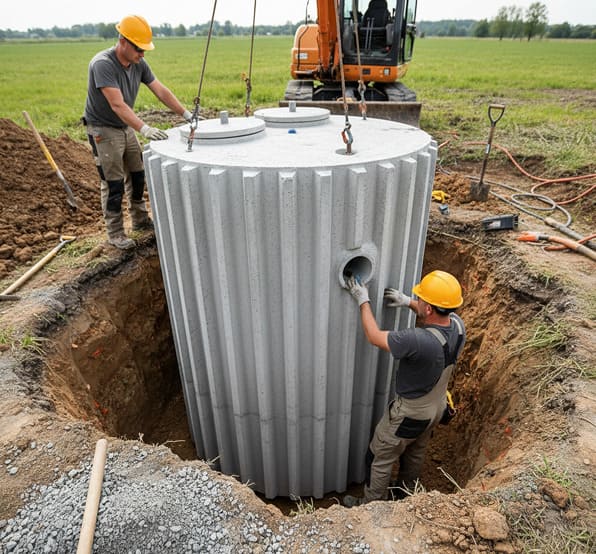
A new septic system should not be treated like a one-time project you forget about.
The best-performing systems are the ones that are monitored, pumped when needed, and checked before wear becomes failure. That is part of protecting the investment you just made.
We believe in full lifecycle accountability. That means not only designing and installing the system properly, but also helping homeowners maintain it over time.
Ongoing maintenance can help:
This is especially important for acreage properties where system reliability affects the entire household.
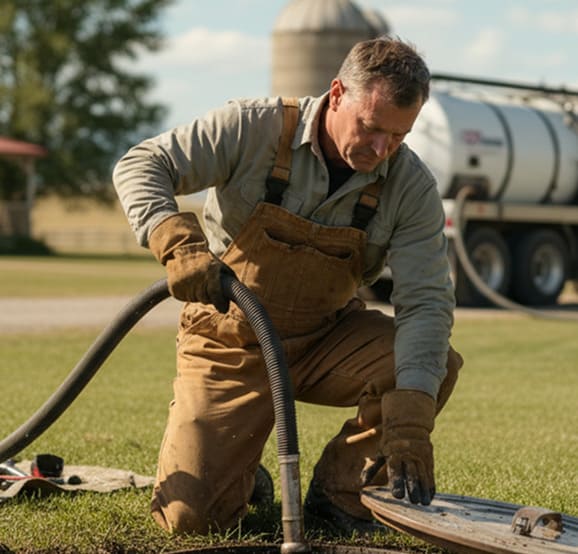
High-ticket work needs a higher level of trust. Septic system installation and replacement are not the kind of projects homeowners should have to guess through. The work has to be licensed, code-compliant, and documented properly.
Our installation process includes:
This matters for peace of mind now, and it matters later if the property is sold, refinanced, or reviewed. Clear records and proper approvals support the long-term value of the work.
For homeowners making a large investment, compliance is not a side detail. It is part of doing the job properly.
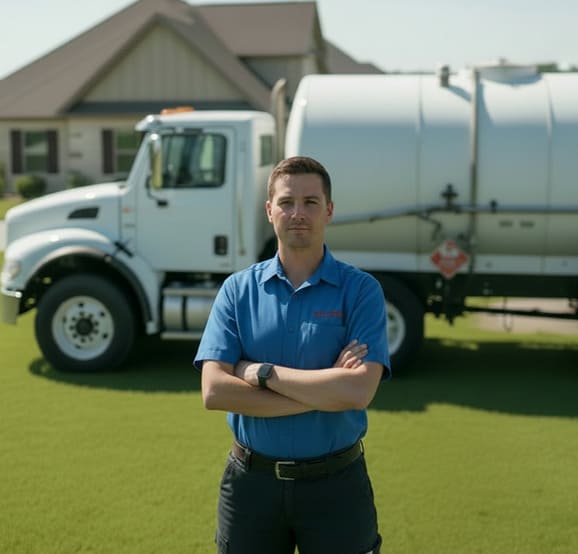
Many companies either install systems or service them after they fail. Fewer take responsibility across the full lifecycle. We do.
We design, install, replace, inspect, and maintain septic systems for rural properties. That means the advice is grounded in how these systems actually perform over time, not just how they look on paper the day they are put in.
Homeowners work with us because they want:
We are not trying to be everything to everyone. We focus on rural septic systems, and that focus shows in the way the work is evaluated, explained, and carried through.
There is no single lifespan that applies to every property. System life depends on installation quality, soil conditions, usage, and maintenance. A well-designed system that is looked after properly will generally perform far longer than one that was undersized or poorly installed.
Replacement becomes worth considering when the system has repeated failures, the field is no longer working, the tank is severely deteriorated, or repair costs keep adding up without solving the main issue.
The timeline depends on the site, the design, approvals, weather, and excavation conditions. Once the property is evaluated, the timeline becomes much clearer and can be explained based on the actual scope.
The biggest factors are home size, water use demands, soil loading rate, field design, site access, excavation conditions, approvals, and the amount of restoration required after the work is complete.
In some cases, yes. If the tank has failed but the field is still performing, or if one component is the issue, partial replacement may still make sense. That is why assessment matters before assuming the whole system needs to be rebuilt.
Posted onTrustindex verifies that the original source of the review is Google. We had water delivered by Andrii. Very courteous, I followed him to our property, before he backed up into the driveway, he saw me behind him and let me into the yard first. Andrii was pleasant to chat with and very professional. We enjoy chatting with the drivers, they are always very pleasant, even in the extreme cold.Posted onTrustindex verifies that the original source of the review is Google. Friendly, great service love that they think ahead change out the filter, wash out, without me having to remember highly recommendPosted onTrustindex verifies that the original source of the review is Google. Mitch came out quickly and pumped our system out no problem. He was a pleasure to deal with and he also stuck around to give us some great tips for cleaning and maintaining the system long term. I would highly recommend these guys. Thanks Mitch!Posted onTrustindex verifies that the original source of the review is Google. Mitchel is friendly and professional! We’re so happy we switched to the septic company, our last operator was grumpy and always seemed inconvenienced by our job, and it’s a nice change to have a company that has a smile on his face and works quickly and efficiently!Posted onTrustindex verifies that the original source of the review is Google. I gave them a call as I was having issues with my pump. He came out the next day and had a look at it. He was professional, honest and was able to explain everything to me. I’d recommend The Septic Company.Posted onTrustindex verifies that the original source of the review is Google. Josh and Mitch provided us with exceptional quick service. They both called us to inform that there possibly was some electrical issues with our pump. We will definitely be using their services again.Posted onTrustindex verifies that the original source of the review is Google. We had a septic emergency, and Mitch came out right away—he was fantastic! Extremely knowledgeable, friendly, and reassuring throughout the whole process. I highly recommend The Septic Company to anyone with septic concerns or questions—they truly know their stuff and provide excellent service.Posted onTrustindex verifies that the original source of the review is Google. Prompt and excellent service! No one likes to wait around for a call-back when it comes to septic maintenance. Mitchel responded right away! He is professional, friendly and provides thorough, quality service. I highly recommend The Septic Company for your all your septic system needs.Posted onTrustindex verifies that the original source of the review is Google. Great service with good value! We will be using them again.Posted onTrustindex verifies that the original source of the review is Google. Great service fast and answered on the holiday weekend!
If your current septic system is failing, aging out, or no longer keeping up with the property, the next step should be based on real site data and honest guidance.
A proper evaluation gives you clarity on what the property needs, what the process looks like, and what makes the most sense long-term. That is how a septic system installation should begin.
Need Septic
Service for Your
Acreage?
Request service today and our
local experts will get back to you
quickly to schedule a visit.
Need immediate help?