
We handle frozen septic lines, winter septic repair, and cold-weather septic issues for rural and acreage properties across Southern Alberta.
Our licensed septic installers use proper diagnostic steps and professional steam thawing equipment to find the issue, thaw the line safely, and look for the reason it froze in the first place.
When a septic system stops draining in winter, the goal is to avoid adding more pressure to the system until it can be checked.
Here is what to do right away:
There are not many safe DIY fixes once a septic line is already frozen. In many cases, trying to “force it through” can make the problem worse or create a bigger mess inside the home.
A frozen septic line needs more than guesswork. It needs a clear diagnosis.
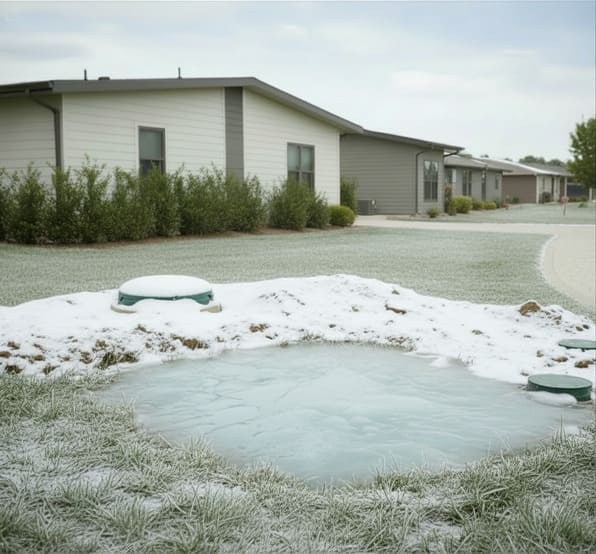
A frozen septic line can feel like the whole system has failed, but the first step is finding where the problem is happening.
When we arrive, we start by checking the septic tank level.
If the tank level is higher than normal, the issue is likely between the septic tank and the septic field, or with the field itself. If the tank level is normal, the issue is more likely between the house and the tank.
That first check matters. It helps us avoid guessing, protects the system from unnecessary work, and gives the homeowner a clearer explanation of what is going on.
For frozen lines, steam thawing may be used to clear the blockage safely. This controlled method helps thaw the frozen section without relying on unsafe heat or rough handling that can damage underground piping.
But the thaw is only part of the job. A frozen line often points to an underlying issue, and in our experience, slope is one of the most common causes. Once the immediate problem is addressed, we look at what may have caused the freeze so you are not left dealing with the same issue again next winter.
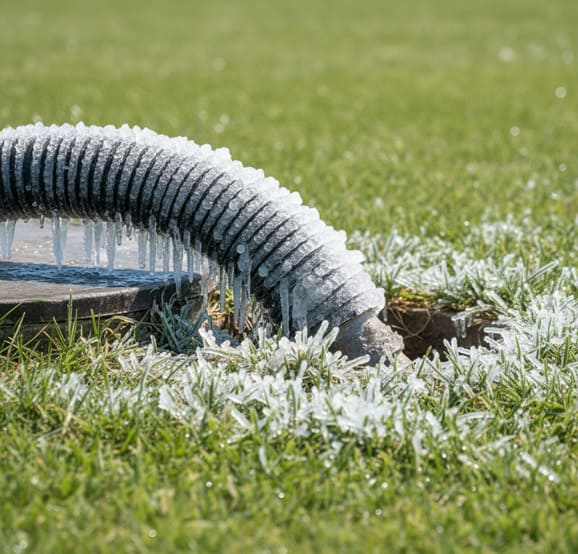
A frozen septic line can show up in a few different ways. Some signs are obvious. Others can look like a normal clog at first.
Common winter warning signs include:
If more than one fixture is acting up, or the issue started during freezing weather, it may be more than a basic clog.
That does not mean you need to panic. It does mean the system should be checked by someone who works with rural septic systems and knows how winter conditions affect them.
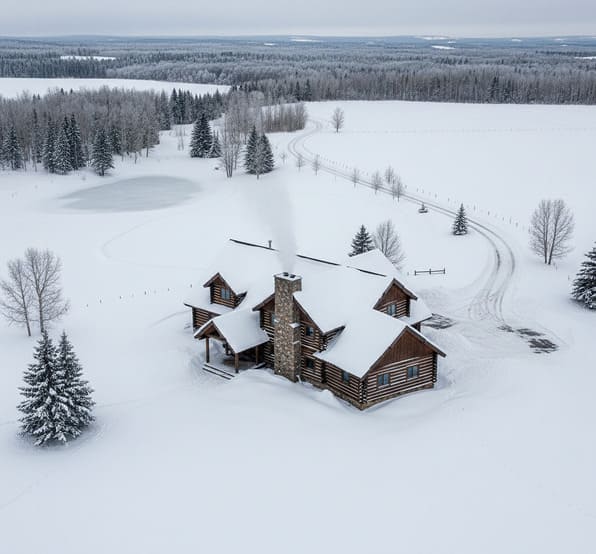
Southern Alberta winters can be hard on rural septic systems. Cold weather, frost depth, wind exposure, and long stretches of low system use can all play a role.
One of the most common winter freeze issues happens in the line from the septic tank to the septic field. This line can freeze when there is not enough warm water moving through the system, especially during a holiday or extended time away from the home.
Common causes of winter septic problems include:
A frozen septic line is rarely just about the temperature. Cold weather may trigger the issue, but the cause often comes back to system design, slope, usage patterns, or maintenance history.
That is why a proper winter septic repair should not only thaw the line. It should help explain why the line froze.
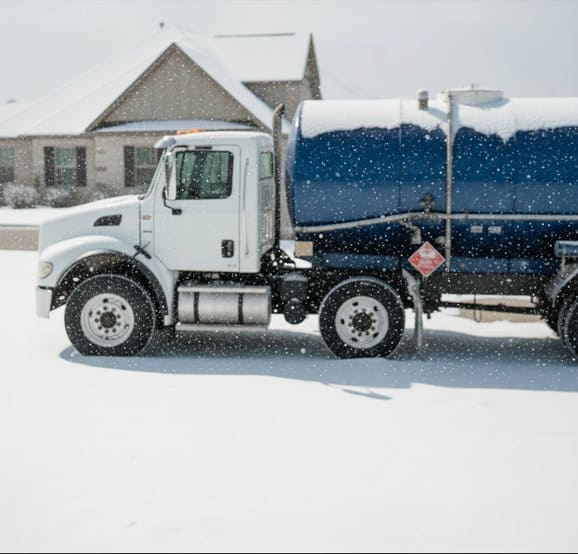
When a septic line freezes, the first priority is getting the system moving again. That matters, especially if wastewater is backing up or the home cannot use water normally.
But if the line freezes once, there is a good chance something made it vulnerable. In many winter service calls, the freeze is connected to an underlying issue such as poor slope, low winter flow, or a line that does not drain properly. If that deeper issue is ignored, the same problem can come back. A temporary thaw can restore use.
A root cause check can help answer better questions:
This is where full-service septic knowledge matters. The Septic Company is not only a pumping provider. We work across inspections, diagnostics, repairs, installations, and winter septic issues, which means we can look at the system as a whole.
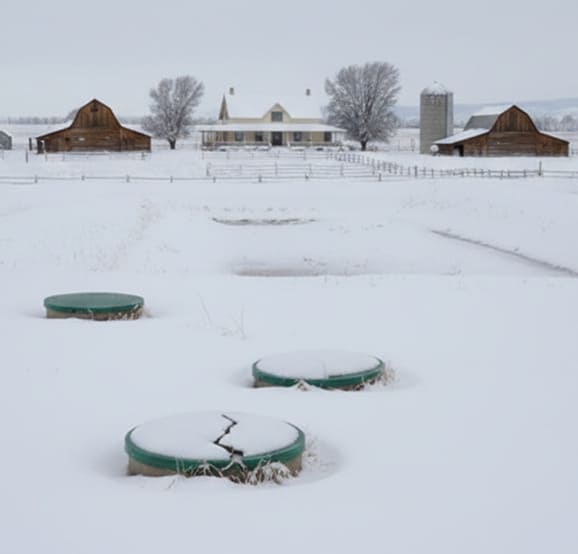
Not every frozen septic line can be prevented, but rural homeowners can reduce risk by keeping the system active and paying attention to vulnerable areas before the worst cold hits.
If you plan to leave your acreage during winter, lack of use can increase freeze risk. One practical step is to have someone visit the property daily and run a bath full of hot water through the system. This keeps warm water moving through the line and can help reduce the chance of freezing during extended absences.
Other prevention steps include:
Prevention is especially important for rural acreages, where septic lines may be exposed to open land, wind, frost, and long travel distances between components.
If your septic line freezes every winter, it is time to look deeper than the weather.
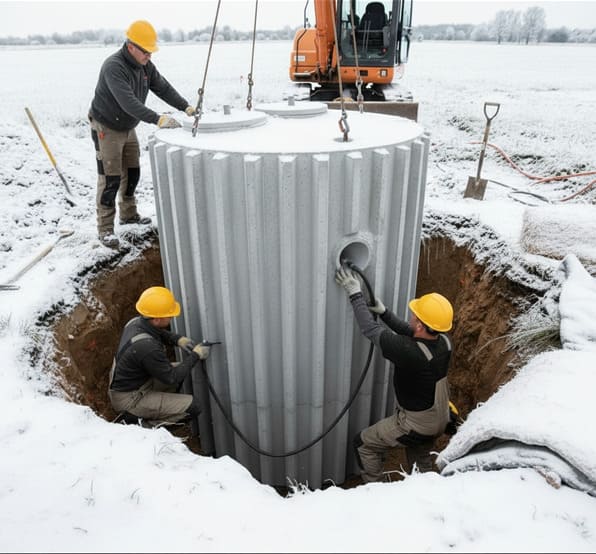
Winter septic issues need calm communication and real septic experience.
When a system stops draining in freezing weather, most homeowners do not need scare tactics. They need someone who can show up, check the system properly, and explain the next step clearly.
The Septic Company works specifically with rural and acreage septic systems across Southern Alberta. We are not a general plumbing company, and we do not treat septic systems like a side service.
Homeowners call us for winter septic problems because we bring:
A frozen line is frustrating, but the service experience should not add to it. Our role is to help you regain control, get the system moving, and know what caused the issue.
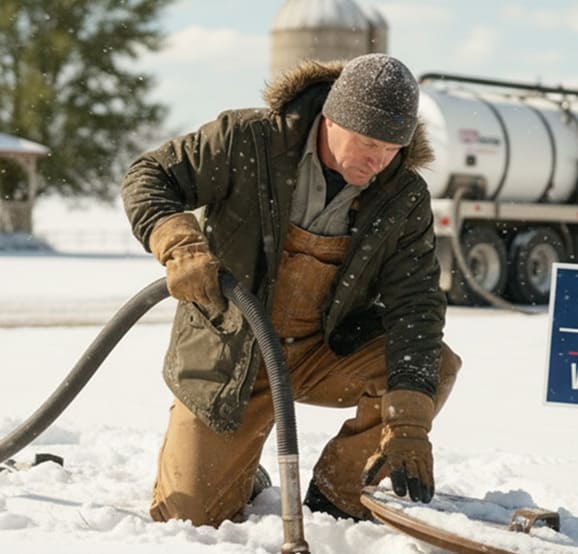
The Septic Company serves rural and acreage properties across a defined Southern Alberta service area. Our work is focused on septic-dependent properties, not dense urban plumbing calls.
Our rural service area includes acreage and rural communities across regions such as:
If you are on a rural property and dealing with a frozen septic line, septic alarm, winter drainage failure, or cold-weather septic concern, call and we can confirm service availability for your location.
Septic systems can freeze in winter when cold temperatures combine with low water flow, shallow lines, slope issues, or exposed sections of the system. In Southern Alberta, one common issue is a line freezing between the septic tank and the field. This can happen when the system is not used enough during cold weather, especially if the homeowner is away from the acreage for several days. Freezing is often a symptom of a deeper issue. The weather may trigger the problem, but slope, drainage, or system design can make it more likely to happen again.
A frozen septic line should be thawed by a licensed septic provider with the right equipment. There are no reliable DIY fixes for this issue once the line is frozen. Unsafe heating methods can damage the system or create safety risks. The better first step is to limit water use and call someone who can diagnose where the freeze is happening. Professional steam thawing may be used to clear the frozen section safely, followed by a check for underlying causes.
If you live on a rural acreage in Southern Alberta, The Septic Company handles frozen septic lines, septic line thawing, winter septic repair, and cold-weather drainage issues. We focus on rural septic systems, which means we account for tank levels, field lines, slope, frost exposure, and the realities of acreage properties. If you are dealing with a winter septic issue, call to confirm service in your area.
Limit water use and call a licensed septic installer. Do not keep running fixtures to see if the issue clears. If the system is not draining in winter, the problem could be a frozen line, a blockage, or a deeper issue in the system. A tank-level check can help identify if the issue is between the house and tank, or between the tank and field.
Yes. Lack of use can contribute to a frozen septic line in winter. When warm water is not moving through the system, lines can become more vulnerable during freezing weather. This is especially important if you leave your acreage for a winter holiday. Having someone visit daily and run a bath full of hot water through the system can help keep flow moving.
If your septic line freezes repeatedly, there is likely an underlying issue. Common causes may include poor slope, low water use, shallow lines, drainage concerns, or a vulnerable section between the tank and field. A thaw may fix the immediate issue, but repeated freezing should be checked so the cause can be addressed.
It can be urgent, especially if wastewater is backing up, drains are not working, or the septic alarm is going off. If the home cannot use water normally, call for service. Limit water use until the system is checked. Acting early can reduce stress and help prevent the issue from creating a larger backup inside the home.
A frozen septic line is not something most homeowners can fix on their own. You need the issue located, the line thawed safely, and the underlying cause checked before it turns into a repeat winter problem.
A proper evaluation gives you clarity on what the property needs, what the process looks like, and what makes the most sense long-term. That is how a septic system installation should begin.
The Septic Company provides winter septic service for rural and acreage properties across Southern Alberta. If your septic system is not draining, your alarm is going off, or you think your line may be frozen, call now.
We will help you figure out what is happening and what needs to happen next.
Need Septic
Service for Your
Acreage?
Request service today and our
local experts will get back to you
quickly to schedule a visit.
Need immediate help?